


Emerging Trends and Innovations for The Future of Pharmacy Software
Emerging Trends and Innovations for The Future of Pharmacy Software

- Last Updated: January 20, 2026
Aaron Smith
- Last Updated: January 20, 2026
Independent pharmacies are standing in the middle of two very different realities. On one side, they’re facing shrinking reimbursements, staff burnout, the constant pressure to do more with less, and other issues surrounding their customers, the economy, and more.
On the other hand, there’s an explosion of new tools and workflows like automation, AI, Cloud platforms, and connected devices that can actually make day-to-day pharmacy work more sustainable instead of more complicated.
Pharmacy software is where those two worlds meet. The next generation of systems is about building a digital backbone that supports clinical services while protecting margins.
Here are some important trends shaping where pharmacy management software is headed, and what to look for if you’re planning your next upgrade.
Pharmacy Platform Options
Pharmacies are slowly moving away from the old setup where every workstation felt like its own island. While a cloud-based system can change as necessary with dynamic updates and real-time refreshes, locally based software also ensures that remote issues don’t impact the in-person day-to-day. Luckily, either way, pharmacy owners don’t have to babysit a server that sits in a back room.
What’s made the biggest difference, though, is how these newer platforms share information. Prescriber notes, inventory counts, and claim data finally land in the same place without extra typing.
When those pieces talk to each other, the work feels less scattered, and decisions become easier to make in real time.
AI-Driven Clinical Decision Support Becomes Practical
You can notice AI in pharmacy operations today in things like when a pharmacy management system software flags something subtle, such as an age-related dose issue, a renal adjustment that isn’t obvious, a combination that doesn’t show up on the usual interaction lists, and so much more.
Perhaps one of its biggest values at the moment is in the nudges that show up when you’re verifying a prescription or reviewing a profile. It’s what catches patterns that health workers might miss during a busy shift, for instance, and prevents costly or dangerous mistakes.
Automation That Reduces Clicks
With modern pharmacy software, you’ll notice the difference when it starts taking small chores off your hands.
It might sort a refill list, so chronic meds show up first, or pull the right forms without someone digging through folders. None of it feels dramatic on its own, but the time saved adds up by the end of the day. And that makes a big difference with your bottom line.
The better systems also move tasks to whoever is free instead of letting work pile up on one person’s screen. This allows you and your team to focus on patients instead of wasting time dealing with the technical parts of document management as well.
Patient-Facing Digital Tools and Medication Adherence Support
When it comes to digital health in modern pharmacies, what patients want now is pretty simple: they don’t want to guess what’s going on with their medication. If something is being filled, out for delivery, or held up, they expect to see it on their phone the same way they track a ride or a package.
The better systems let them change pickup plans, send a quick question, upload new insurance documentation without calling, and get what they need at their convenience.
Some pharmacy management software systems will even spot when a patient is slipping on refills and flag it quietly in the background. The less time patients spend chasing basic information, the more time the pharmacist has for actual care.
IoT and Cold Chain Monitoring: Compliance and Protection
Cold chain rules have gotten tougher, especially with the DSCSA deadlines landing in 2025. Pharmacies now need more than a fridge log; they need proof that every vaccine or biologic stayed within range the entire time it was stored.
IoT sensors make that possible. Many pharmacies now rely on IoT cold chain monitoring solutions to track temperature, document excursions, and protect sensitive stock. When a fridge drifts, the alert hits right away, and the software can show which lot numbers were exposed instead of leaving someone to guess after the fact.
That protects inventory, but it also protects patients. One bad temperature swing can wipe out thousands of dollars in stock, and in some cases, put people at real risk.
Data Security, Compliance, and Cyber Resilience
After the Change Healthcare mess, most owners stopped asking about firewalls and started asking whether they could keep the doors open if their main systems went down for a week or longer.
Pharmacy software has to handle that now. Backups can’t leave on a box in the office, and recovery plans can’t be something you figure out on the spot.
Cloud platforms take care of most of the heavy lifting using replicas and mirrored data centers, so outages don’t turn into a full shutdown. The other part is having a clean way to work during a backout and reconcile everything once the system comes back.
The Way Forward
The idea of pharmacy software will keep shifting from what once felt like a back-office tool to what now shapes almost all aspects of a pharmacy’s operations. That’s why independent pharmacies should consider these features when they are choosing a system for their operations.
Frequently Asked Questions
How do newer systems help with documentation for audits and inspections?
A lot of the required information, such as temperature records and controlled substance logs, gets captured automatically now. You’re not building a binder the night before an inspection. The software pulls clean records because it’s been tracking the details all along.
Do software platforms differ in how they handle multi-location pharmacies?
Yes. Some treat each store like a separate world, while others let owners look across inventory, staff notes, and workflow patterns in one place. Pharmacies with shared staff or rotating schedules usually feel the difference right away.
How do owners figure out if a new system will actually fit their workflow?
The easiest way is to watch someone use it during a real refill rush. Demos never show the rough moments. Seeing how many clicks it takes when the line is long tells you more than any feature set.
Is staff training harder with all these new features being added?
It depends on how the vendor teaches it. Some give you long manuals that nobody reads. Others walk the team through the parts they actually use. The second approach sticks better and keeps the first week from turning into chaos.
The Most Comprehensive IoT Newsletter for Enterprises
Showcasing the highest-quality content, resources, news, and insights from the world of the Internet of Things. Subscribe to remain informed and up-to-date.

New Podcast Episode

Building Real-Time Voice AI Experiences

Related Articles


Related Solutions
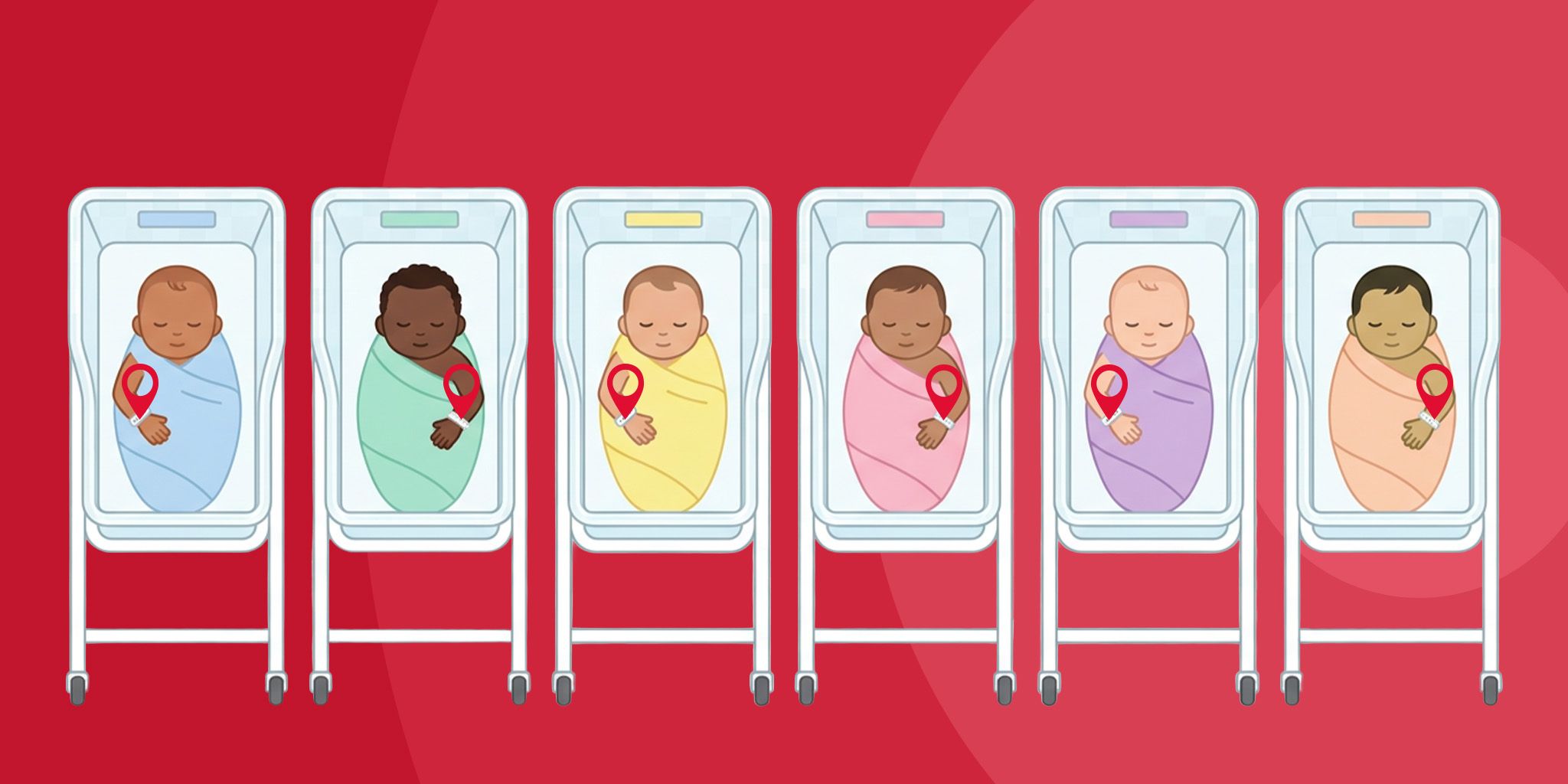
Infant Security for Hospitals
Enable immediate alerts, automated security responses, and mother-baby matching to reduce abduction risk.
Enable immediate alerts, automated security responses, and mother-baby matching to reduce abduction risk.
Vizzia Technologies
Vizzia Technologies
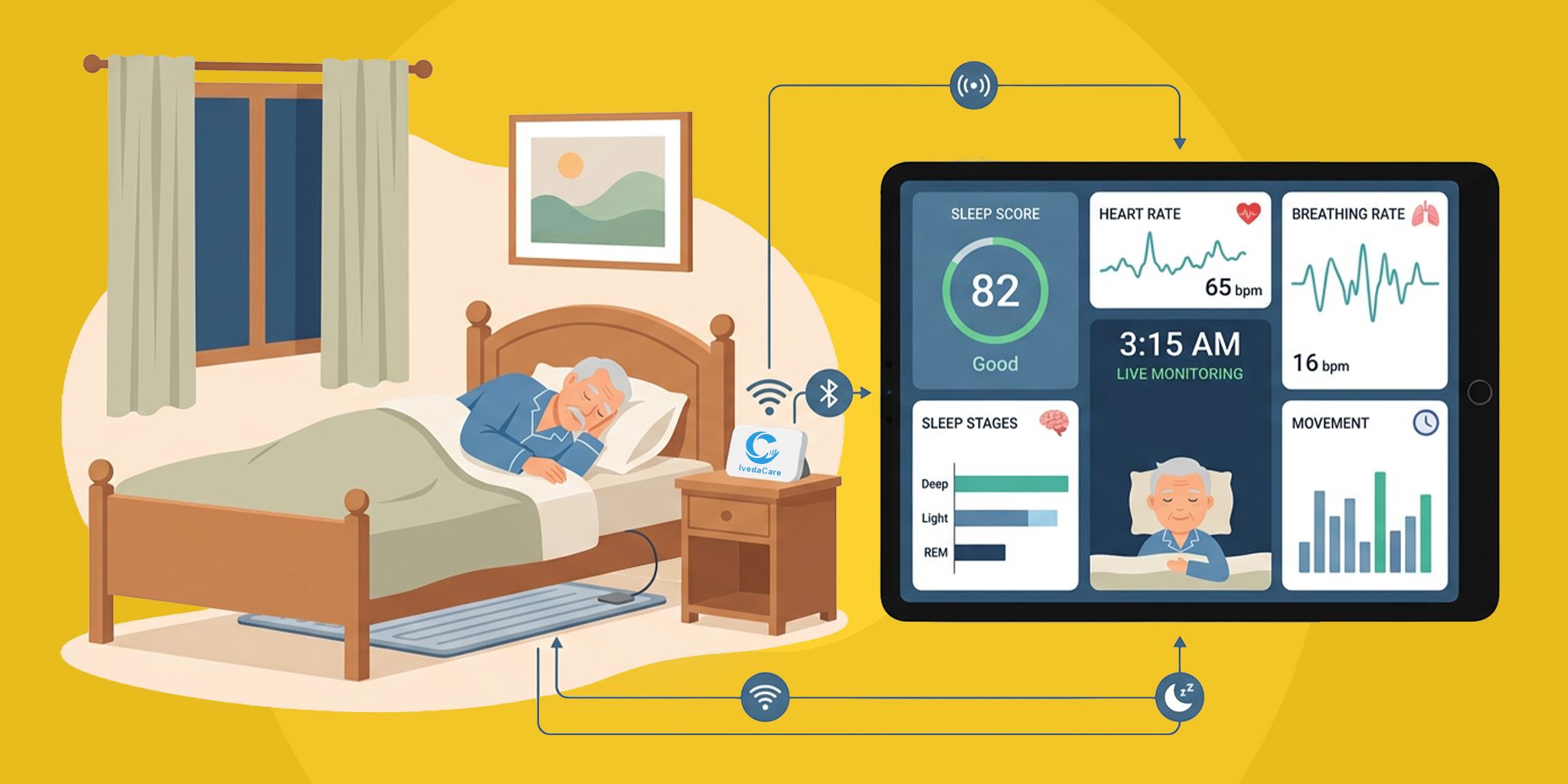
Overnight Health Monitoring
Health insights without cameras or wearables, enabling caregivers to detect issues early and improve resident well-being.
Health insights without cameras or wearables, enabling caregivers to detect issues early and improve resident well-being.
Iveda
Iveda
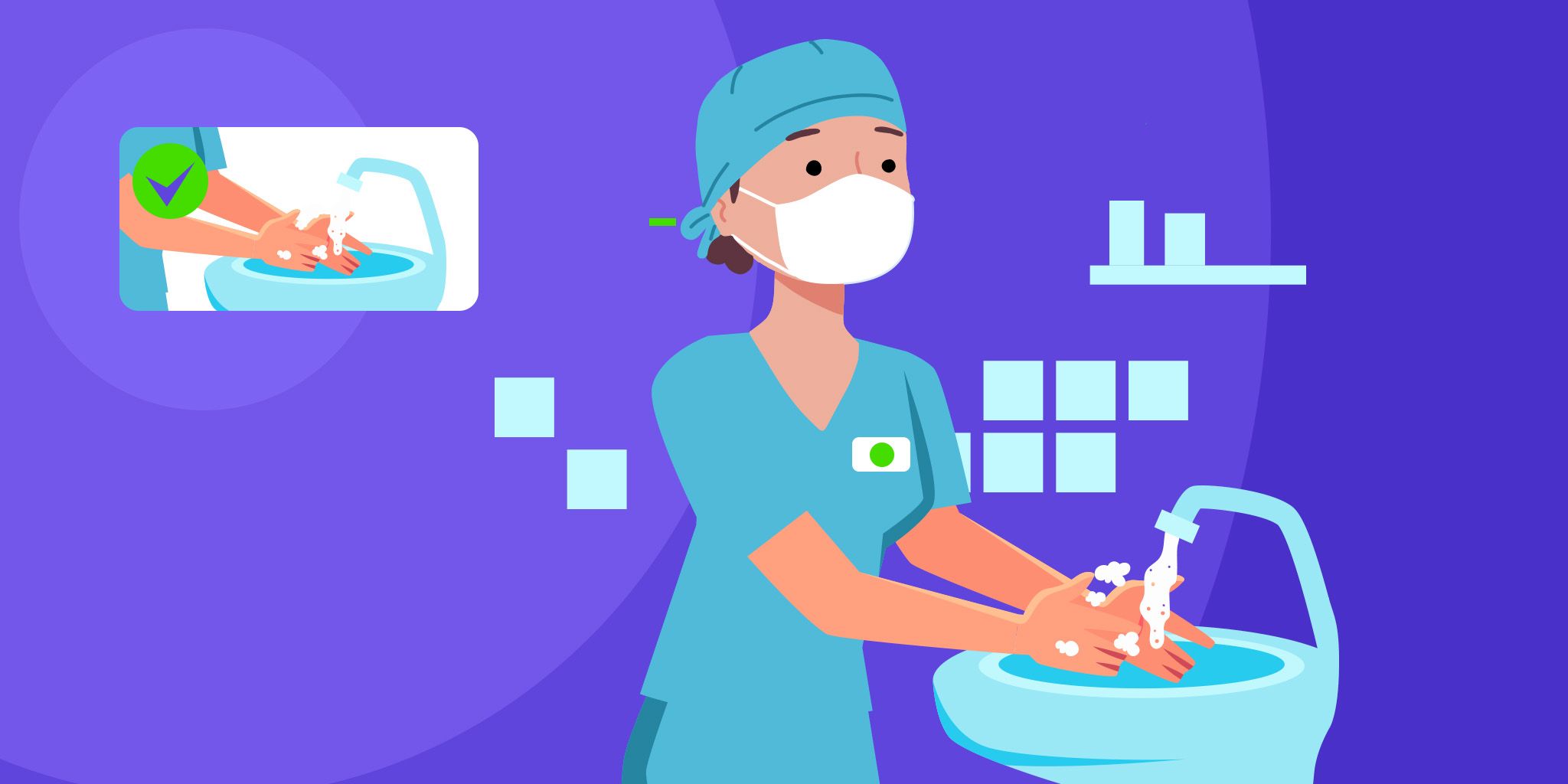
Hand Hygiene Compliance Monitoring
Detect hand hygiene events and ensure compliance to reduce infections and promote a culture of patient safety.
Detect hand hygiene events and ensure compliance to reduce infections and promote a culture of patient safety.
CenTrak
CenTrak

Related Solutions
Healthcare
Infant Security for Hospitals
Enable immediate alerts, automated security responses, and mother-baby matching to reduce abduction risk.
Vizzia Technologies
Healthcare
Overnight Health Monitoring
Health insights without cameras or wearables, enabling caregivers to detect issues early and improve resident well-being.
Iveda
Healthcare
Hand Hygiene Compliance Monitoring
Detect hand hygiene events and ensure compliance to reduce infections and promote a culture of patient safety.
CenTrak