



Why the Future of Pet Health is AI-Powered
Why the Future of Pet Health is AI-Powered

- Last Updated: April 15, 2026
David Teaster
- Last Updated: April 15, 2026

According to a new survey from NBC News, the American public is quickly souring on AI. Only 26% of Americans view the technology positively (compared to 46% who hold negative feelings and 27% who remain neutral), making it one of the least-liked innovations in the country today. Although skepticism toward AI is completely understandable in an era of "Black Mirror"-esque headlines, the broader public is missing the real story. AI can not only be a force for tremendous good, but it can even save lives, especially in the case of four-legged friends who cannot speak for themselves.
By applying this innovative technology to strengthen the human-animal connection, people can connect with and understand their pets like never before, providing life-saving value and one of AI’s best use cases yet.
Bridging the "Invisible" Communication Barrier
As every pet parent knows, one of the primary care challenges has always been a lack of direct communication. Animals are biologically programmed to mask pain and discomfort, which often leaves owners unaware of health issues until they reach an advanced stage. AI is making this communication barrier a thing of the past, since "invisible" health concerns can be immediately identified and flagged in real-time.
Rather than relying on subjective observation, AI-powered systems can analyze micro-trends in activity, sleep quality, and movement to act as an early warning system for health conditions. For example: a new, slight delay (~1.5-seconds) in a dog’s ability to stand up over a three-week period would likely go unnoticed by an owner, but it may be an early indicator of joint inflammation. By converting these subtle habits into objective data points, AI is helping bridge the communication gap between people and their pets.
From Reactive to Proactive: The Next Frontier of Care
Historically, the pet health industry has been centered around reactive care (i.e. seeking veterinary help once visible symptoms like lethargy or loss of appetite appear). However, as AI advances and pet ownership hits all-time highs, a new model built on proactivity is emerging. The goal is no longer just treating illness, but preventing it through continuous monitoring.
How does it work? Thanks to smart pet wearables, high-fidelity biometric data can now be collected in real-time. By impartially analyzing this data, AI reduces delays in care by surfacing issues that even the most attentive owners might misidentify as simple aging. Beyond just recognizing illness, the technology can also bring attention to injuries from an unwitnessed accident, or even highlight moments when a rescue pet is agitated by external factors. In a world where pet longevity and well-being are more important than ever before, early AI detection can help cut down on traumatic and expensive emergency room visits and prolong the lives of four-legged friends in the process.
The Unique Advantages of Pet Health Training Data
One of the greatest risks inherent to AI use today is the potential for hallucinations. From glue on pizza to fake case citations in legal briefs, the risks of blindly relying on AI have been well-explored. However, while AI will never fully substitute for the opinion of a trained medical professional, the risks of hallucinations are uniquely reduced in the pet health sector.
In direct contrast to the data sets in many other industries (often noisy, biased, or influenced by human subjectivity), pet health data is uniquely immune to these issues. Unlike humans, who may inaccurately self-report on their health to medical professionals, a pet’s biometric data is entirely honest. This makes their data the perfect candidate for AI analysis, allowing developers to move past providing generic advice, and embrace a standard of individualized care that was once thought impossible.
The AI conversation nationally may be defined by skepticism, but for pet health specifically, the outlook could not be more positive. Far from an overhyped or auxiliary tool, AI is fast-becoming one of the most critical technologies for saving pets’ lives today. By bridging the communication barrier between people and their pets, moving from reactive to proactive care, and leveraging the unique advantages of pet-sourced data, AI is helping build the next generation of veterinary medicine.

The Most Comprehensive IoT Newsletter for Enterprises
Showcasing the highest-quality content, resources, news, and insights from the world of the Internet of Things. Subscribe to remain informed and up-to-date.

New Podcast Episode

Building Real-Time Voice AI Experiences

Related Articles


Related Solutions
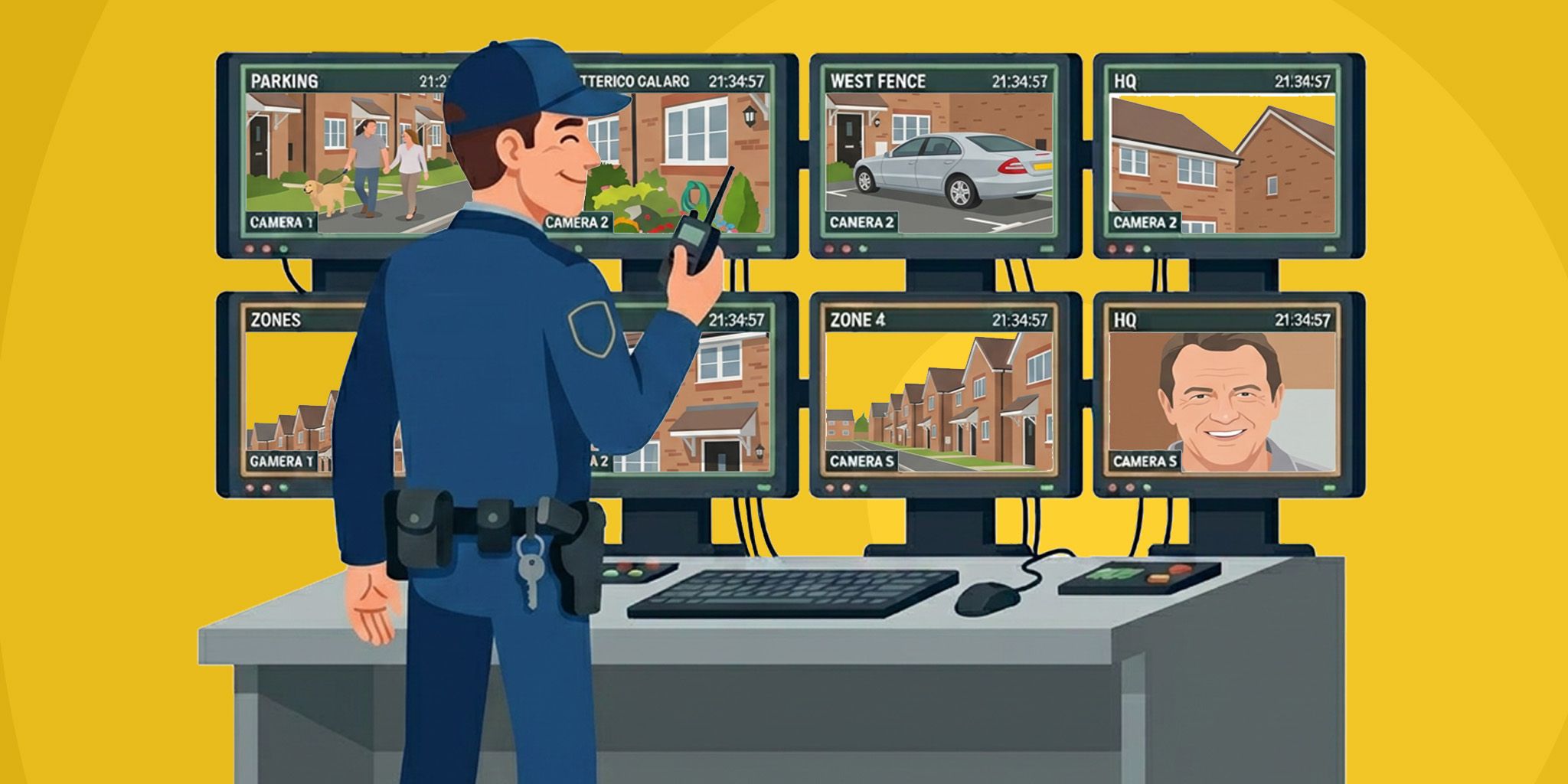
Smart Community Management for HOAs
AI-powered community monitoring with real-time visibility into entrances, parking, and shared spaces.
AI-powered community monitoring with real-time visibility into entrances, parking, and shared spaces.
Iveda
Iveda

Construction Site Safety Monitoring
AI-powered wearables for real-time PPE compliance monitoring, hazard detection, and incident documentation.
AI-powered wearables for real-time PPE compliance monitoring, hazard detection, and incident documentation.
Iveda
Iveda

Workers' Compensation Fraud Prevention
Quickly verify claims, reduce investigation time, and protect your bottom line with AI-powered video surveillance and analytics.
Quickly verify claims, reduce investigation time, and protect your bottom line with AI-powered video surveillance and analytics.
Iveda
Iveda

Related Solutions
Buildings & Facilities
Smart Community Management for HOAs
AI-powered community monitoring with real-time visibility into entrances, parking, and shared spaces.
Iveda
Construction
Construction Site Safety Monitoring
AI-powered wearables for real-time PPE compliance monitoring, hazard detection, and incident documentation.
Iveda
Construction
Workers' Compensation Fraud Prevention
Quickly verify claims, reduce investigation time, and protect your bottom line with AI-powered video surveillance and analytics.
Iveda